Why Autistic Burnout Hits Guaranteed Harder Than You Really Think

Autistic burnout is a unique and challenging experience for many individuals on the autism spectrum. It involves a deep state of exhaustion that affects physical, mental and emotional well-being. Unlike general burnout, autistic burnout is closely tied to the specific challenges faced by autistic individuals. Understanding this condition is crucial for those experiencing it and their families. By gaining insight, individuals and families can better navigate and manage this complex condition.
What Is Autistic Burnout?
Autistic burnout is a condition specific to individuals with autism. It results from prolonged stress and overwhelming demands. This type of burnout is distinct from general burnout due to its roots in autism-specific experiences.
Autistic individuals often face continuous pressure to adapt to a neurotypical world. This constant effort can lead to exhaustion. Autistic burnout is characterized by a significant decline in functioning and coping abilities.
Key aspects of autistic burnout include:
- Extreme fatigue
- Reduced tolerance to sensory input
- Difficulty in social interactions
Unlike general burnout, autistic burnout is intertwined with the challenges of masking autistic traits. Masking requires considerable mental energy, leading to burnout over time. It’s crucial to note that autistic burnout can impact day-to-day life substantially, making it vital to recognize and address. Understanding autistic burnout helps in fostering empathy and providing tailored support to those affected.
Causes of Autistic Burnout
Autistic burnout is primarily caused by ongoing stress from environmental and social pressures. Autistic individuals often navigate a sensory world that can be overwhelming. This constant sensory overload significantly contributes to burnout.
Another major factor is the need to mask autistic traits. This involves suppressing natural behaviors to fit into social norms, which can be exhausting. Over time, this persistent effort can drain mental resources.
Common causes of autistic burnout include:
- Sensory overload from loud noises or bright lights
- Social demands requiring constant interaction
- The stress of pretending to be neurotypical
Additionally, limited downtime and lack of support can escalate burnout. Without adequate recovery time, stress accumulates. Understanding these causes is crucial for preventing burnout and preserving well-being. By recognizing these factors, supportive environments can be fostered to reduce the impact of autistic burnout.
Signs of Autistic Burnout in Adults
Recognizing the signs of autistic burnout in adults can help mitigate its effects. One major sign is increased sensitivity. This may manifest as heightened reactions to sounds, lights or social interactions.
Adults experiencing autistic burnout often withdraw from social activities. They may find it challenging to engage in conversations or maintain relationships. This withdrawal is a protective mechanism.
A decline in daily functioning is another common sign. Tasks that were once manageable can become daunting. This includes difficulties with routine activities like cooking, cleaning or managing work responsibilities.
Indicators of autistic burnout in adults can include:
- Increased sensitivity to sensory input
- Withdrawal from social or work responsibilities
- Reduced capacity for self-care and daily tasks
Recognizing these signs early can aid in seeking appropriate support. Awareness is key to developing effective coping strategies. Providing a supportive environment is essential for recovery.
Autistic Burnout vs. General Burnout and Depression
Autistic burnout shares similarities with general burnout and depression, yet it is distinct. Unlike general burnout, autistic burnout is deeply tied to the autistic experience. It involves unique stressors that individuals with autism face daily.
Depression presents with persistent sadness, while autistic burnout centers on exhaustion. This exhaustion results from prolonged overstimulation and masking of autistic traits. Understanding these differences is vital for accurate diagnosis and treatment.
Differences include:
- Autistic burnout: Tied to sensory overload and masking efforts
- General burnout: Often related to work stress
- Depression: Involves pervasive feelings of sadness and hopelessness
Tailored interventions can address the specific needs of autistic individuals. With appropriate understanding, recovery becomes more attainable.
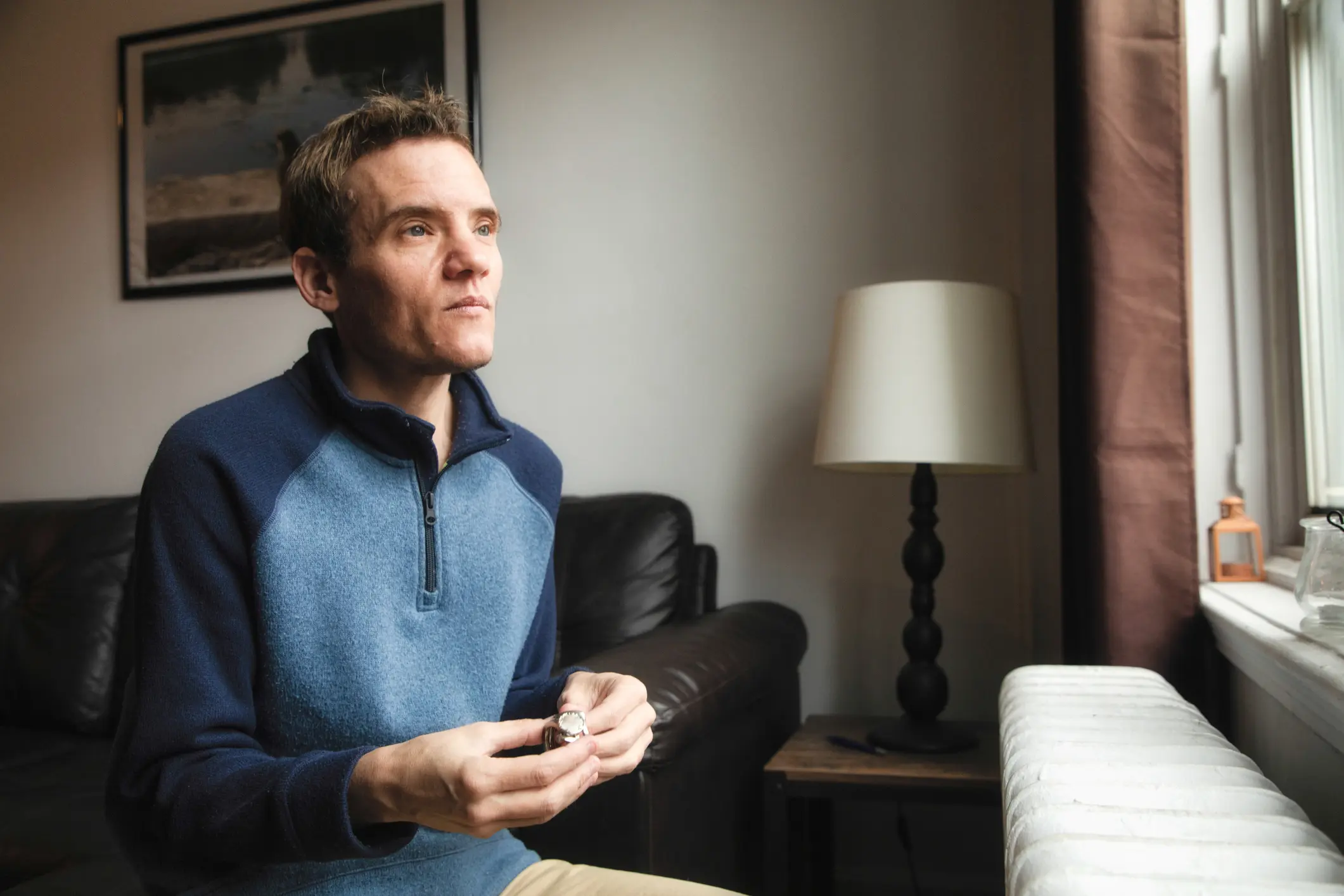
The Impact of Autistic Burnout
Autistic burnout can have a profound effect on daily life. It often results in a temporary loss of skills, which can be distressing for both the individual and their family. This can affect an individual’s ability to perform routine tasks.
The emotional toll is significant, leading to increased withdrawal and avoidance of social situations. Over time, the constant state of exhaustion can lower self-esteem and confidence. However, with the right support and understanding, individuals can manage these challenges and gradually regain their previous levels of functioning.
Strategies for Autistic Burnout Recovery
Recovering from autistic burnout requires a thoughtful and supportive approach. Taking time to rest and recuperate is crucial. Removing or reducing stressors can allow the mind and body to heal naturally.
Creating a sensory-friendly environment can help significantly. Calming spaces with minimal noise and bright lights should be prioritized. Encouraging regular breaks from demanding activities can prevent further strain.
Implement self-care practices to support recovery. Consider these strategies:
- Set clear boundaries and prioritize personal limits.
- Practice mindfulness and relaxation techniques.
- Engage in interests that bring joy and comfort.
- Maintain a consistent routine, including adequate sleep and nutrition.
Professional support, such as therapy or counseling, can be invaluable. Therapy can provide tailored strategies to cope with burnout effectively. Seeking guidance from mental health professionals who understand autism can offer a clearer path to recovery, ensuring that the process is supportive and individualized.

Supporting a Loved One Through Autistic Burnout
Supporting a loved one through autistic burnout involves understanding and empathy. Recognize their unique needs and challenges. Being patient and observant is essential in providing effective help.
Consider these supportive actions:
- Listen actively and validate their feelings.
- Help reduce unnecessary demands or social pressures.
- Encourage regular, gentle breaks.
- Assist in creating a low-stress, sensory-friendly environment.
Empower them by respecting their boundaries and promoting self-advocacy. Open communication can help build trust so that they feel comfortable reaching out. Your support can make a significant difference in their recovery journey.
When to Seek Professional Help
Professional help becomes crucial when autistic burnout severely impacts daily life. This includes significant distress or inability to manage symptoms independently. Seeking therapy or counseling can address underlying issues and provide coping strategies. Prompt intervention can prevent further burnout and aid in a smoother recovery process.
Conclusion: Moving Forward With Understanding and Support
Understanding autistic burnout is pivotal in managing its effects. Recognizing the signs early and applying effective strategies can prevent severe episodes.
Both individuals and families benefit from open communication and tailored support plans. This fosters a nurturing environment, aiding recovery. Each step taken toward awareness contributes to a more inclusive society.
Canyon Ridge Hospital in Chino, CA, offers acute inpatient care and an Intensive Outpatient Program for adolescents ages 13 to 17. Learn more by giving us a call at 909-590-3700.