Does Bipolar Disorder Get Worse With Age?

Bipolar disorder is a lifelong mental health condition marked by mood swings. These swings range from manic highs to depressive lows. As people age, questions arise about how bipolar disorder might change.
Does it get worse with age? Understanding this is crucial for those affected and their families. Aging can bring unique challenges for individuals with bipolar disorder.
Understanding Bipolar Disorder and Its Stages
Bipolar disorder is characterized by dramatic shifts in mood and energy. These shifts can lead to significant disruptions in daily life. Understanding its stages helps in managing the condition effectively.
The disorder typically involves cycles of mania, hypomania and depression. Each stage brings its own set of challenges. Individuals may experience rapid cycling between moods, or have longer periods of stability.
Key stages include:
- Manic Stage: High energy, reduced sleep, impulsive behavior.
- Depressive Stage: Low energy, feelings of hopelessness, withdrawal.
- Hypomanic Stage: Mild mania, less severe but noticeable.
Recognizing these stages is key to seeking help. Early intervention can prevent worsening symptoms. Educating families about these stages aids in providing better support.
How Bipolar Disorder Changes With Age
As individuals age, bipolar disorder may change in various ways. Some people find their symptoms stabilize over time, experiencing fewer mood swings. However, others might notice an increase in frequency or severity of episodes, complicating their condition.
Older adults may face additional challenges due to age-related factors. These include cognitive decline and physical health issues. Such factors can complicate the management of bipolar disorder and require tailored treatment approaches.
Common changes in older adults:
- Stabilization: Fewer mood swings or milder symptoms.
- Increased Sensitivity: Heightened response to stress or life changes.
- Cognitive Decline: Difficulty with concentration and memory.
Healthcare providers should consider these changes when creating treatment plans. Early detection and intervention remain crucial. It is essential to monitor changes closely and adjust care plans as needed. Understanding these potential changes can aid families in better supporting their loved ones.
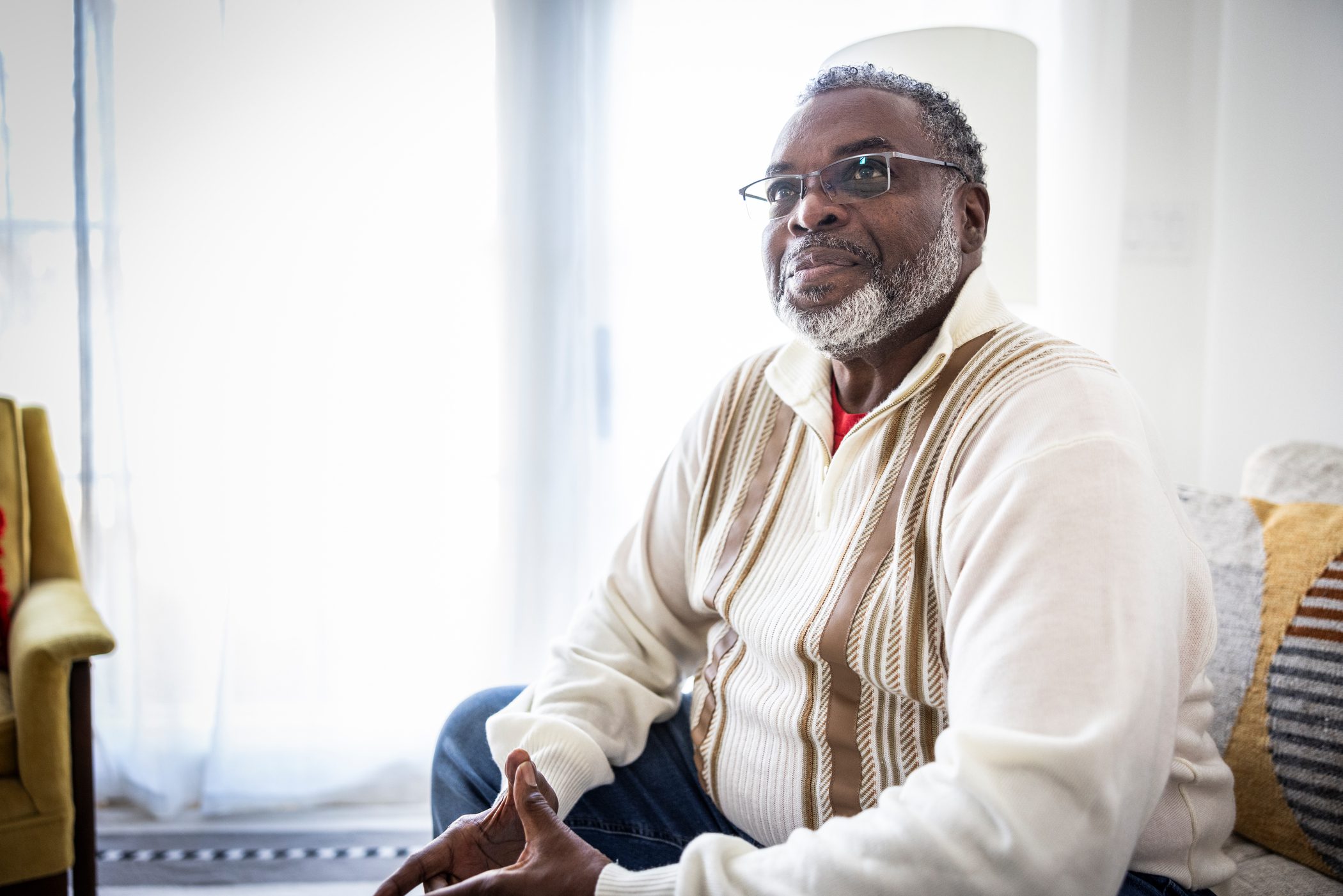
Unique Challenges of Bipolar Disorder in Older Adults
Bipolar disorder presents distinct challenges as individuals age. Older adults often experience the added complexity of age-related physical and mental health conditions. This can make diagnosis and treatment more complicated.
The aging process can also influence how bipolar disorder manifests. Increased sensitivity to medications is common, necessitating careful management. Additionally, older adults may feel isolated due to limited mobility or changes in social networks.
Challenges faced by older adults:
- Medication Sensitivity: Requires careful dosing and monitoring.
- Social Isolation: Reduced social interactions and support.
- Comorbid Conditions: Other health issues may complicate management.
Mental health stigma remains a significant barrier for many older adults. Generational views on mental illness can deter individuals from seeking help. Support from families and caregivers is vital in overcoming these obstacles.
End-Stage Bipolar Disorder: What Does It Mean?
The term “end-stage bipolar disorder” isn’t a formal medical diagnosis. Instead, it refers to severe and persistent symptoms. These symptoms may be resistant to standard treatments.
In end-stage bipolar disorder, individuals might experience frequent and intense mood swings. These can hinder daily life and complicate mental health management. The condition’s resistance to treatment makes it particularly challenging for both patients and caregivers.
Managing end-stage bipolar disorder requires comprehensive care. This often includes medication adjustments and exploring alternative therapies. Support from mental health professionals, combined with a strong support network, is crucial. Families play a vital role in providing continuous emotional and practical support.

Bipolar Disorder, Memory Loss and Dementia
Bipolar disorder in older adults often intersects with memory issues. Understanding this intersection is vital for effective care. Aging naturally affects memory, which can complicate bipolar disorder symptoms.
Cognitive decline in bipolar individuals may mask as memory loss. This can arise from both the disorder and age-related changes. Mood swings might exacerbate forgetfulness, confusing diagnosis.
The overlap between bipolar disorder and dementia is complex. Dementia involves memory, thinking and social abilities. Distinguishing between these conditions is crucial for proper treatment plans.
Several shared symptoms include:
- Short-term memory loss
- Difficulty concentrating
- Confusion and disorientation
An accurate diagnosis often requires a multidisciplinary approach. Engaging psychiatrists, neurologists and geriatricians can provide comprehensive care. Families should be alert to memory changes and consult healthcare providers promptly. Understanding these dynamics helps in creating supportive environments for aging loved ones with bipolar disorder.
Treatment Considerations for Bipolar Disorder in the Elderly
Treating bipolar disorder in elderly individuals requires a nuanced approach. Age-related changes can influence medication efficacy and side effects. It’s important to adjust doses and monitor reactions closely.
Older adults may have comorbid conditions affecting treatment plans. Such conditions can include heart disease or diabetes. Understanding these interactions is crucial for safe, effective care.
Non-medication treatments play a vital role. Cognitive behavioral therapy (CBT) can support cognitive health and mood regulation. Lifestyle interventions like exercise and diet should also be prioritized.
Key treatment strategies include:
- Regular monitoring of medication effects
- Multidisciplinary collaboration for comprehensive care
- Incorporating psychotherapy and lifestyle changes
Family education is essential in supporting adherence and recognizing symptoms. Staying informed empowers families to manage their loved one’s condition efficiently. This holistic approach aims to improve quality of life for elderly patients with bipolar disorder.
Practical Tips for Families and Caregivers
Supporting an older adult with bipolar disorder can be challenging. Yet, it’s essential to approach this with empathy and understanding. Patience can often help in managing mood swings effectively.
Regular communication with healthcare providers is vital. It’s crucial for families to stay informed about any changes in the condition.
Practical tips for care include:
- Encouraging a consistent daily routine
- Promoting adherence to medication schedules
- Engaging in therapy sessions when possible
Support networks can make a huge difference. Lean on mental health communities for additional resources and advice.
Aging with bipolar disorder may bring unique challenges, but understanding and support can lead to positive outcomes. Early intervention and tailored treatment strategies help manage symptoms effectively.
Families and caregivers play a critical role in this journey. It’s a shared journey requiring patience, commitment and compassion. With the right tools and resources, there is hope for stability and improved well-being in later years.
Canyon Ridge Hospital, located in Chino, CA, offers outpatient programs for adults, aimed at providing support and education in a positive environment. There are in-person and virtual options available. Learn more by giving us a call at 909-590-3700.